Oct 20, 2026Guides
How to Choose the Right Screw Material and Surface Finish for OEM Assembly
A practical guide to choosing screw materials and surface finishes for OEM assembly, covering carbon steel, stainless steel, zinc, black oxide, Dacromet and zinc-nickel coatings.
When buyers compare screws, the first questions are usually size, price, lead time and MOQ. These are important, but they are not enough.
In many OEM projects, screw problems do not come from the size alone. They come from choosing the wrong material, wrong surface finish, wrong hardness, or a coating that looks good in photos but does not match the real working environment.
A screw is a small part, but it can create a big problem. If it rusts too early, breaks during installation, strips the mating material, or looks different from the approved sample, the cost is much higher than the screw itself.
At Hextro, we normally suggest buyers review screw selection from a practical angle: application environment, base material, surface finish, installation method and packaging.
Start with the Real Application
A drawing can tell the size, thread and head style. But it may not tell where the screw will be used.
Before confirming material and finish, it is better to ask a few simple questions:
Will the screw be used indoors or outdoors?
Will it contact water, humidity, cleaning chemicals or salt air?
Is it installed into metal, plastic or wood?
Is the screw visible after assembly?
Is the part used for normal fixing, self-tapping, sealing or high-strength assembly?
For a dry indoor product, carbon steel with zinc plating may be enough. For humid, outdoor or corrosive environments, stainless steel, zinc-nickel coating, Dacromet or another corrosion-resistant finish may need to be reviewed.
This is where many purchasing mistakes happen. A screw may look fine in photos, but the real working environment decides whether it will perform well.
Carbon Steel, Stainless Steel or Alloy Steel?
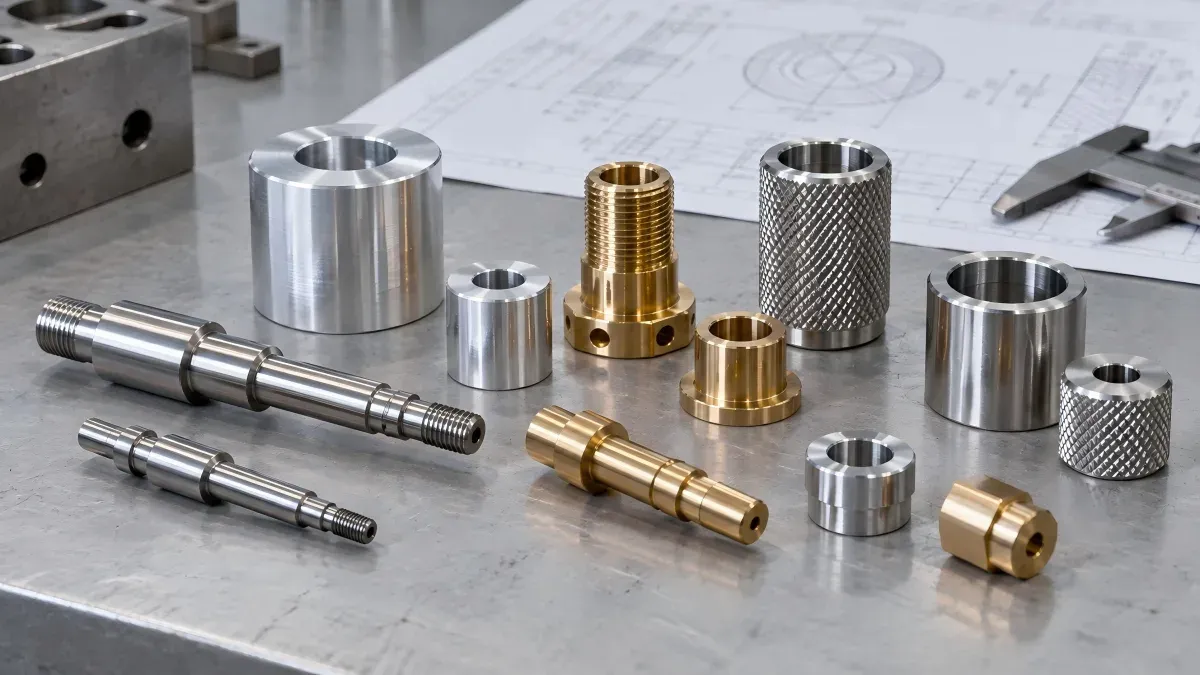
Carbon steel screws are widely used because they offer good strength and cost efficiency. For many industrial products, carbon steel is still the most practical choice. But carbon steel normally needs surface protection, such as zinc plating, black oxide, phosphate, nickel plating or other coatings.
Stainless steel screws are often selected for corrosion resistance. Common grades include 304 and 316. Stainless steel is a good option for many outdoor, humid or appearance-sensitive applications. But stainless steel is not automatically the best choice for every project. If the application requires very high strength or special hardness, alloy steel may be more suitable.
Alloy steel is commonly used for socket screws, set screws and high-strength fasteners. It can offer better mechanical performance, but surface finish and corrosion protection still need to be considered.
The better question is not “Which material is the best?”
The better question is “Which material is suitable for this application?”
Surface Finish Is Not Just Color
Many screw inquiries start from a photo. The buyer may say, “We need this black screw,” or “We need the same silver finish.”
But color is not a technical specification.
Black oxide, black zinc, black nickel, black Dacromet and black zinc-nickel may all look dark, but their corrosion resistance, cost and process stability are different.
Zinc plating is common and cost-effective for general corrosion protection. Black oxide gives a clean dark appearance, but its corrosion resistance is limited unless oil or additional protection is applied. Nickel plating can provide better appearance and moderate corrosion resistance. Dacromet and zinc-nickel coatings are often reviewed when stronger corrosion protection is required.
For visible parts, appearance consistency is also important. A screw may pass the size check but still be rejected if the finish looks uneven, too glossy, too dull, or different from the approved sample.
So surface finish should be selected by both function and appearance, not color alone.
Pay Attention to Installation
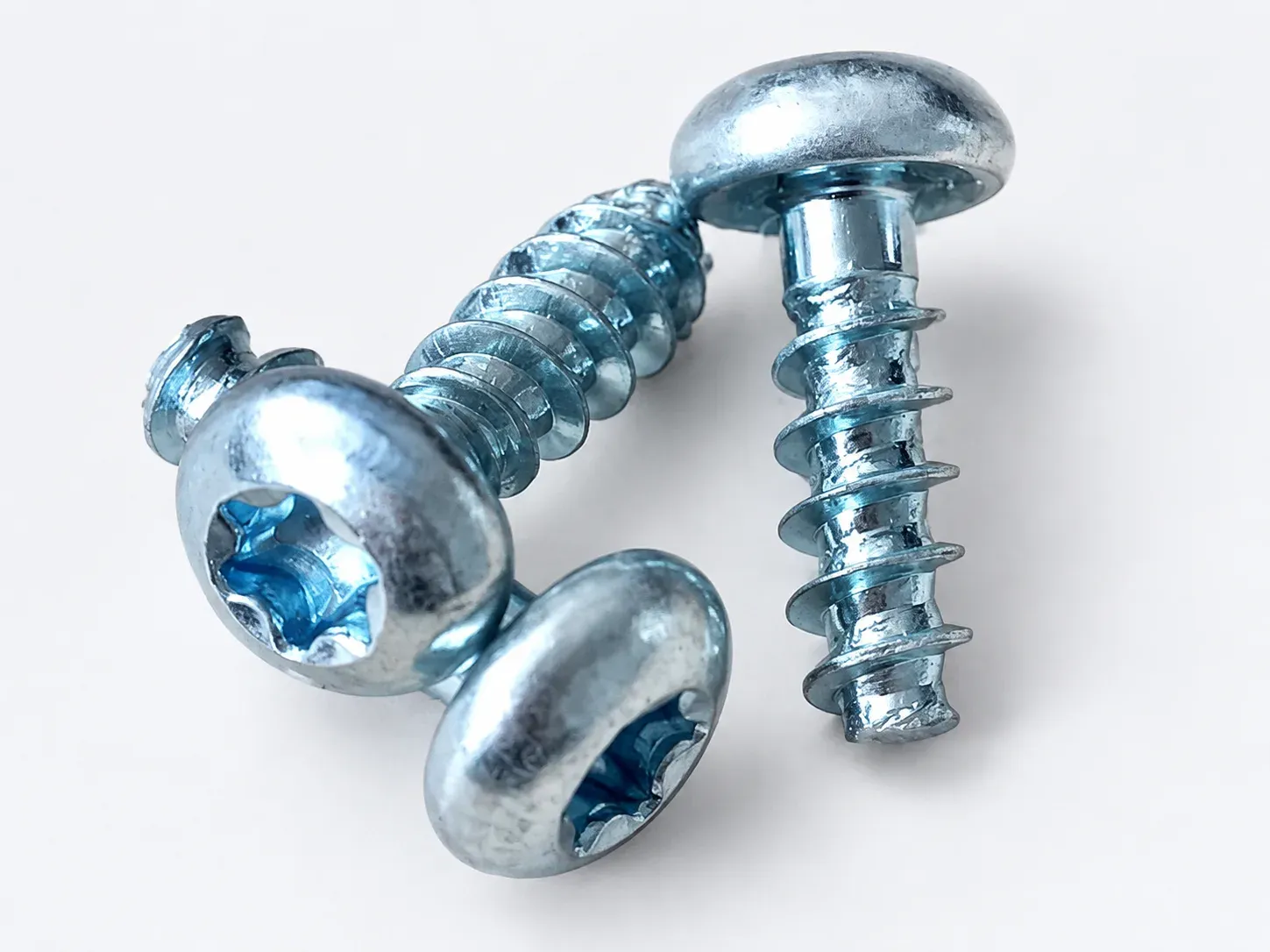
For ordinary machine screws, thread accuracy and material are important. For self-tapping or thread-forming screws, the requirement is different. The screw must form or cut threads during installation, so hardness, point geometry, thread shape and drive strength become more critical.
If the screw is too soft, it may deform or fail during installation. If it is too hard or not suitable for the mating material, it may crack plastic, strip the hole or cause head failure.
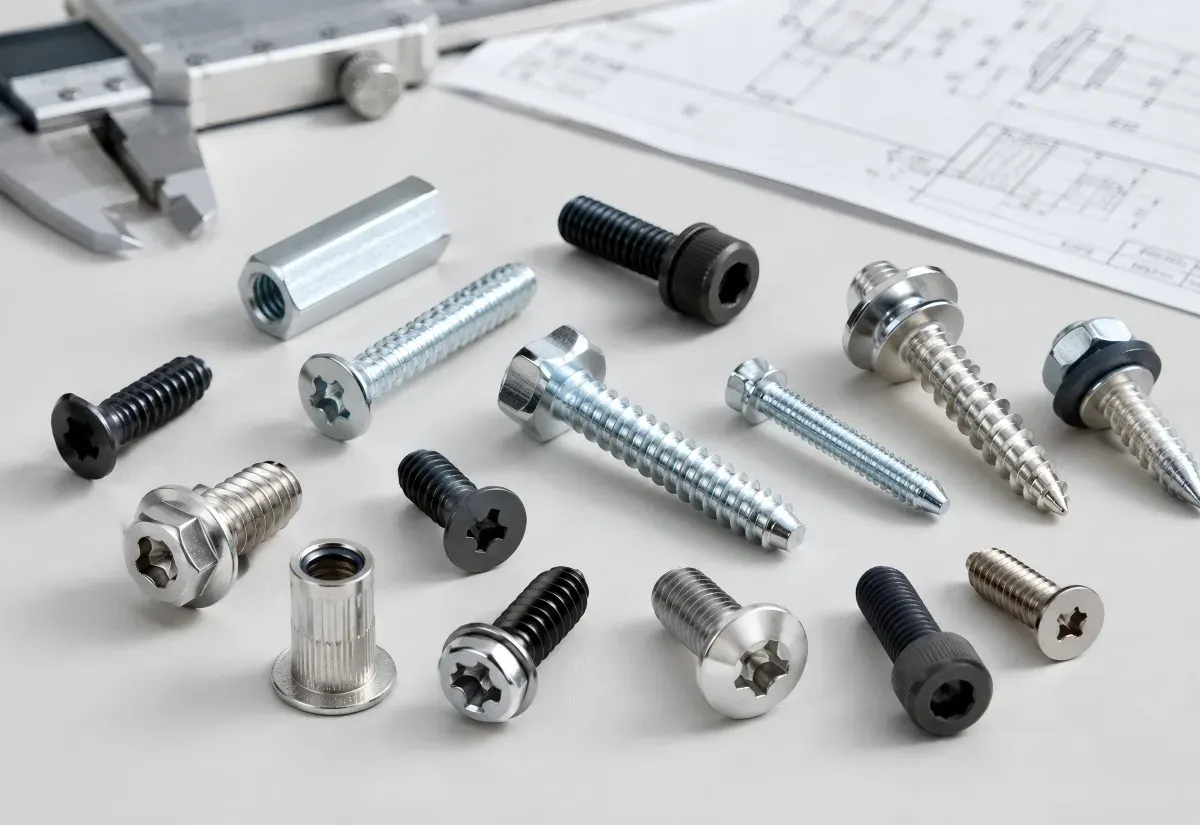
Drive type also matters. Phillips and Pozidriv are common in many applications. Hex socket and six-lobe drives can provide better tool engagement in some industrial or automated assembly projects. But if the recess is too shallow or the head is weak, tool slipping and unstable torque can still happen.
Small details decide whether the screw is easy to install or becomes a problem on the production line.
Packaging Is Also Part of Quality
Packaging is often ignored during quotation, but it matters in real export orders.
For standard screws, bulk cartons or small boxes may be enough. But for black-coated screws, polished screws, SEMS screws, cosmetic heads or mixed kits, packaging needs more attention.
Pre-assembled washers should not be mixed or damaged. Visible screw heads may need separated packing or protective layers. Coated parts may need better packing to reduce scratches. Small parts should be clearly labeled by size, finish and quantity.
Good packaging reduces mixing, rust risk, surface damage and customer complaints. It also helps the buyer’s warehouse and assembly team work faster.
What Buyers Should Send for a Faster Quote
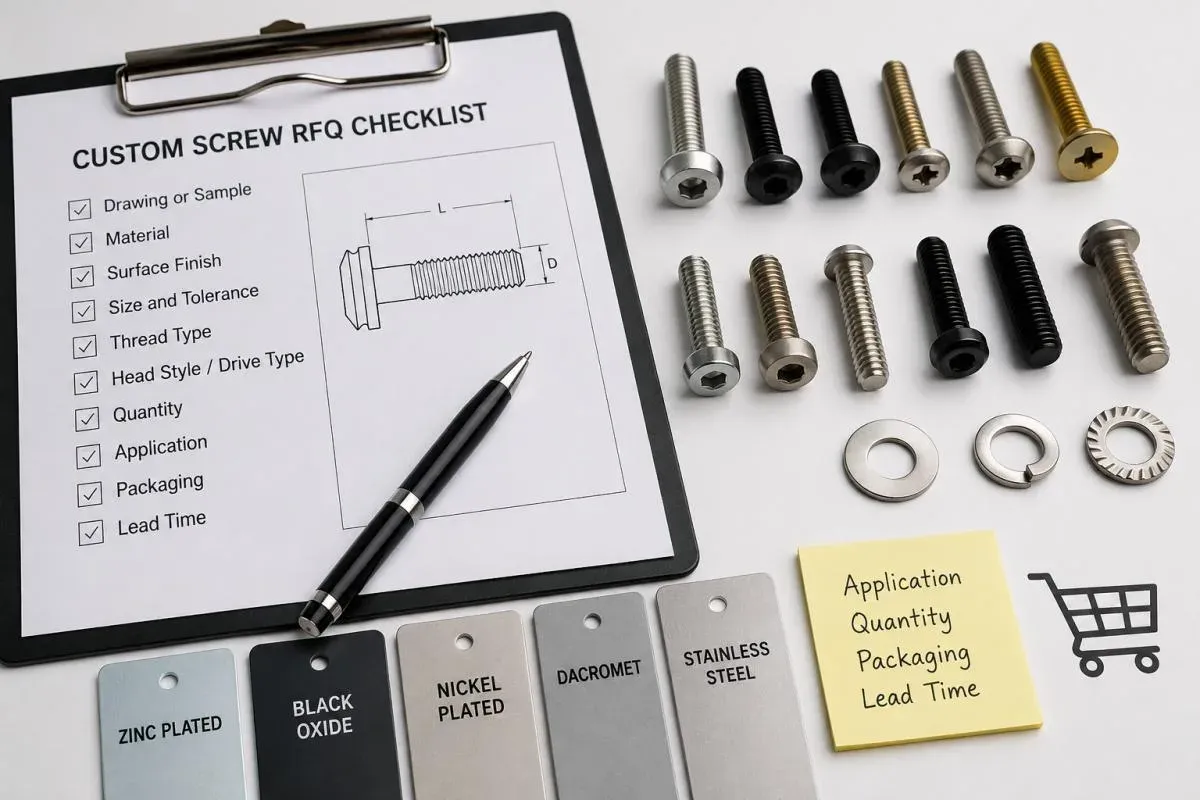
A complete RFQ saves time for both sides. For screw inquiries, buyers should send:
screw size and thread type
head style and drive type
material grade
surface finish
strength class or hardness requirement
quantity
application environment
drawing, sample or standard
packaging requirement
any known assembly problem or failure history
If there is no drawing, clear photos and samples can still help. But for custom screws or special performance requirements, drawings and application details are much better.
Final Thoughts
Choosing the right screw material and surface finish is not about choosing the most expensive option. It is about matching the screw to the real application.
A good screw choice should balance strength, corrosion resistance, appearance, installation method, cost and supply stability. For OEM buyers, confirming these details before mass production is much cheaper than solving rust, breakage, mismatch or packaging problems after delivery.
Hextro supports screws, SEMS screws, self-tapping screws, socket screws and custom fasteners according to drawings, samples and application requirements. Buyers can send RFQ details for review before moving into production.