Oct 20, 2026Guides
Thread-Forming Screws for Plastic: What Buyers Should Check Before Sourcing
Learn what buyers should check when sourcing thread-forming screws for plastic, including thread geometry, pilot holes, WN1452 and EJOT PT-type applications.
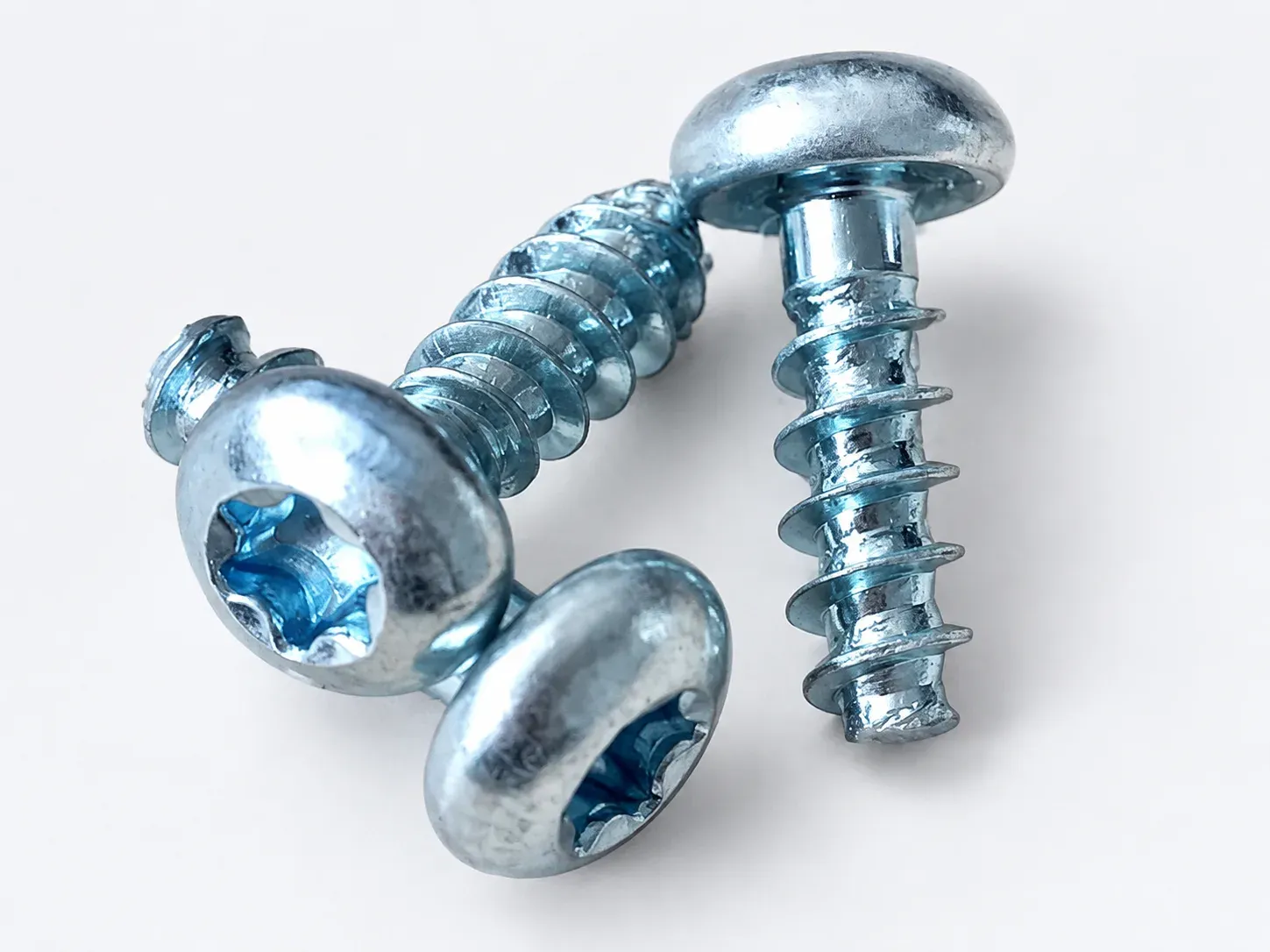
Screws used for direct fastening into plastic may look simple, but their performance depends on much more than diameter and length.
For plastic housings, molded components and other plastic assemblies, the thread design, pilot hole, plastic material and installation conditions all affect holding strength and assembly reliability. If you are looking for a broader overview of screw selection for plastic parts, you can also see our guide on How to Choose Screws for Plastic Assembly.
This is why buyers should look beyond appearance when sourcing thread-forming screws for plastic.
1. Why Use Thread-Forming Screws in Plastic?
Plastic behaves differently from metal during assembly.
When a screw is driven directly into a molded plastic boss, the thread must form securely without creating excessive stress in the surrounding material.
An unsuitable screw may result in poor holding force, damaged threads, cracking or inconsistent installation torque.
Thread-forming screws designed for plastic applications help create a more controlled connection when the screw geometry and mating plastic are properly matched.
2. Thread Geometry Matters
For these screws, the thread profile is a critical part of the design.
Important factors can include:
Thread profile - Pitch - Major and core diameter - Screw length - Pilot hole diameter - Boss dimensions - Plastic material - Installation torque
Two screws with the same nominal diameter and length may therefore perform differently in the same plastic component.
When a drawing is available, these details should be reviewed before quotation and production.
3. WN1452 and EJOT PT-Type Applications
Buyers sourcing screws for plastic may encounter established designs such as WN1452 or EJOT PT-type thread-forming screws.
When evaluating an existing reference or looking for an equivalent solution, it is important not to compare only the overall appearance.
The head dimensions, thread geometry, length, material and surface finish should all be confirmed.
The mating plastic and assembly conditions are also important because the screw and plastic component work together as a fastening system.
4. “Equivalent” Does Not Simply Mean “Looks Similar”
This is an important point in sourcing.
Two screws can look almost identical in a photograph but have different thread profiles, dimensions or installation characteristics.
For replacement projects, a drawing, specification or physical sample can help avoid unnecessary assumptions.
If the application is critical, buyers may also need to confirm installation torque, pull-out performance or other assembly requirements before mass production.
5. What Should Buyers Confirm Before Ordering?
Before requesting a final quotation, it is useful to confirm:
• Drawing or reference specification
• Screw dimensions and head style
• Plastic material of the mating part
• Pilot hole or boss dimensions
• Required quantity
• Screw material and surface finish
• Any critical torque or performance requirements
• Inspection requirements
Clear information at the beginning usually makes quotation comparison easier and reduces the risk of problems later in production.
At Hextro Technology, we support drawing-based custom fastener projects with specification review, production follow-up, inspection coordination and export delivery.
If you are sourcing thread-forming screws for plastic, WN-series screws or another custom fastening component, you are welcome to send us the drawing or sample information for review.