Oct 20, 2026Quality Control
Finishes for Fasteners: Zinc, HDG, Black Oxide or Stainless?
Compare zinc, hot-dip galvanizing, black oxide and stainless for corrosion resistance, appearance and cost in fastener selection.
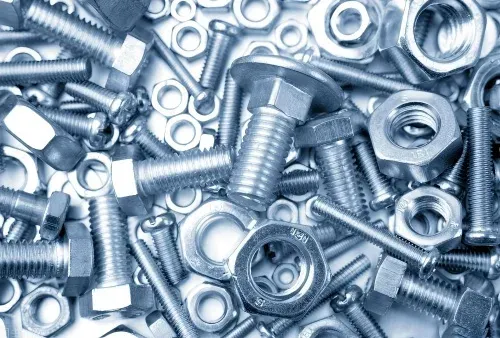
Selecting the right fastener involves more than just size and strength. The finish determines its ability to resist corrosion, its appearance, and even its cost. Choosing incorrectly can lead to premature failure, costly replacements, and product damage.
At Hextroco, we provide guidance on selecting the optimal finish. Here’s a breakdown of the most common options to help you make a right decision.
1. Zinc Plating
• How it Works: A thin layer of zinc is electrically bonded to the steel fastener. It often comes with a clear or blue chromate conversion coating for added protection.
• Corrosion Resistance: Good. Provides a sleek, silvery appearance. Resistance is measured in "hours to white rust" and "hours to red rust" via salt spray testing (e.g., 100+ hours is common).
• Best For: General-purpose applications indoors, in dry environments, or for consumer products where cost and a good appearance are important.
• Cost: Lowest. The most cost-effective corrosion-resistant option.
2. Hot-Dip Galvanizing (HDG)
• How it Works: The fastener is dipped in a bath of molten zinc, creating a thick, durable coating that is metallurgically bonded to the steel.
• Corrosion Resistance: Excellent. The thick zinc layer provides superior protection, even in harsh environments. The finish has a characteristic rough, crystalline "spangled" look.
• Best For: Outdoor structures, construction, fencing, and applications exposed to weather and moisture. Not suitable for high-precision threads due to the thick coating.
• Cost: Higher than electroplated zinc, but offers significantly longer life.
3. Black Oxide
• How it Works: A chemical conversion process that creates a magnetite layer (Fe₃O₄) on the surface of the steel. It does not add significant thickness.
• Corrosion Resistance: Very Low. It offers minimal rust protection on its own. Its primary purpose is to reduce light reflection and provide a sleek, black finish. It is almost always used with a supplementary oil or wax coating.
• Best For: Indoor applications where a non-reflective, aesthetic finish is needed. Ideal for precision parts where coating thickness must be minimized (e.g., machinery, tools).
• Cost: Low.
4. Stainless Steel
• How it Works: This is not a coating. The fastener itself is made from a chromium-alloyed steel (e.g., 18-8 SS304 or marine-grade SS316). The chromium forms an invisible, self-healing passive layer that prevents rust.
• Corrosion Resistance: Excellent to Superior (especially SS316). Resists corrosion, chemicals, and saltwater exceptionally well.
• Best For: Harsh environments, food processing, marine applications, chemical plants, and outdoor decor where both strength and corrosion resistance are critical.
• Cost: Highest due to the material cost
Need Help Selecting the Perfect Finish?
Don't let corrosion ruin your project. The experts at Hextroco can guide you to the ideal finish for your specific application, ensuring longevity, performance, and value.
Contact us today for free technical advice and a competitive quote on all your fastener needs.