
Oct 20, 2026Quality Control
Self-Tapping vs Machine Screws: Getting the RFQ Right
Learn the difference between machine screws and self-tapping screws, and what details buyers should provide for an accurate screw quotation.
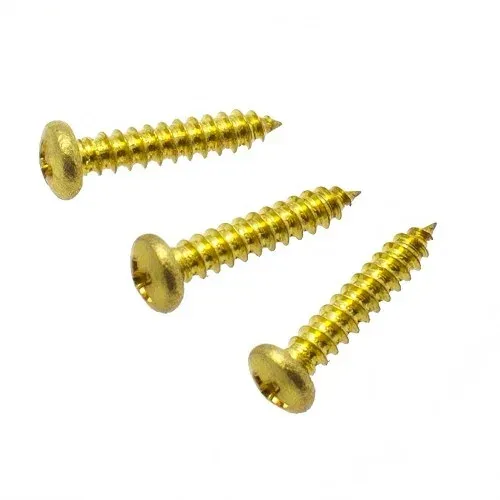
Choosing between a machine screw and a self-tapping screw sounds simple, but it is a common source of wrong quotations and wrong samples.
In many RFQs, buyers only send a photo or a basic size, such as M4 x 12. But the key question is not only the size. The key question is: what material will the screw go into?
If the mating hole already has a thread, a machine screw is usually needed. If the screw needs to create its own thread during installation, a self-tapping or thread-forming screw may be required.
Machine Screws
Machine screws are used with pre-threaded holes, nuts, threaded inserts or tapped metal parts. They do not create their own threads during installation.
For machine screws, the thread must match the mating part exactly. If the thread diameter or pitch is wrong, the screw will not assemble properly, even if the length and head style look correct.
Machine screws are commonly used in metal assemblies, equipment housings, brackets, electrical products and parts that may need to be assembled and removed many times.
For an accurate RFQ, buyers should confirm the thread size, thread pitch, length, head style, drive type, material, surface finish and quantity.
Self-Tapping Screws
Self-tapping screws are used when the mating part does not have a pre-cut thread. The screw forms or cuts the thread during installation.
These screws are often used in plastic, sheet metal, wood, soft aluminum and other materials where tapping a hole first is not practical or cost-effective.
But self-tapping screws are not all the same. A screw for plastic is not necessarily suitable for sheet metal. A screw for thin steel may not work well in soft plastic. The point design, thread shape, hardness and surface finish all matter.
For an accurate RFQ, buyers should tell us the material being fastened, material thickness, pilot hole size if available, installation method and any torque or pull-out requirement.
Thread-Cutting and Thread-Forming
Some self-tapping screws cut material to create a thread. These are often used where chips or removed material are acceptable.
Thread-forming screws displace material instead of cutting it away. They are often used in plastics and some softer metals, where a tighter thread engagement is needed.
This difference is important. If the wrong type is selected, the screw may crack the plastic, strip the hole, loosen after assembly or fail during installation.
What Buyers Should Send in an RFQ
To avoid misunderstanding, it is better to send more than just a screw size.
Useful information includes:
screw size and length
head style and drive type
machine screw or self-tapping screw
material grade
surface finish
mating material
material thickness
pilot hole size if known
drawing or sample photo
quantity and packaging requirement
For custom or non-standard screws, a drawing or physical sample is still the best reference. For standard screws, clear application information can also help avoid wrong selection.
Final Note
The difference between a machine screw and a self-tapping screw is not just a small detail. It affects installation, strength, production efficiency and long-term reliability.
Hextro supports machine screws, self-tapping screws, thread-forming screws and related custom fasteners according to drawings, samples and real application requirements.