Oct 20, 2026Quality Control
Torx vs Phillips vs Hex: Picking the Right Drive
Compare Torx, Phillips and hex socket screw drives, and learn how to choose the right drive type for assembly quality, torque control and cost.

The drive type of a screw is easy to ignore, but it can affect assembly speed, torque control, tool wear and product quality.
In many projects, buyers focus on screw size, material and surface finish first. These are important, but the drive type also matters. If the drive is not suitable, the screw head may strip, the tool may slip, or the production line may have unstable assembly results.
Phillips Drive
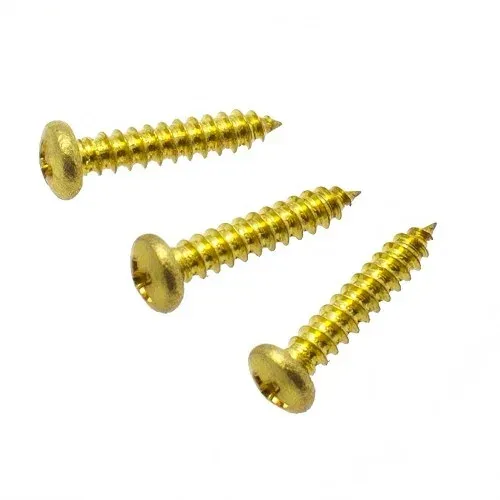
Phillips drive screws are very common and easy to source. The cross recess is familiar to most users, and the tools are widely available.
For low-cost products, light-duty assembly and general applications, Phillips drive can still be a practical choice. It is simple, economical and accepted in many markets.
The main limitation is cam-out. Under higher torque, the driver can slip out of the recess. This may damage the screw head, wear the driver bit and create inconsistent tightening. For precision assembly, high torque or automated production, Phillips may not be the best option.
Use Phillips drive when cost, availability and simple assembly are more important than high torque control.
Hex Socket Drive
Hex socket drive, often called Allen drive, has a six-sided internal recess. It provides better tool engagement than Phillips and can transfer more torque with less slipping.
Hex socket screws are widely used in machinery, equipment, furniture, bicycles, brackets and many industrial products. They are also common in socket head cap screws, button head socket screws and countersunk socket screws.
The main risk is rounding of the recess, especially when the tool quality is poor, the tool is not fully inserted, or the screw is driven at an angle. For small sizes, this problem can be more obvious.
Use hex socket drive when better torque transfer, clean appearance and wider industrial use are required.
Torx / Six-Lobe Drive
Torx, also called six-lobe drive, has a star-shaped recess. It is designed to give better contact between the driver and the screw recess.
Compared with Phillips, Torx reduces cam-out. Compared with standard hex socket, it can often provide more stable torque transfer and less tool wear in repeated assembly. This is why Torx is often used in automotive, electronics, equipment and higher-quality industrial products.
Torx may cost slightly more, and the driver bit is not as universal as Phillips in some markets. But for production stability, tool life and reduced head damage, it is often worth considering.
Use Torx drive when stable torque, lower slipping risk and better assembly quality are important.
Simple Selection Logic
If the product is low-cost and assembly torque is not high, Phillips drive may be enough.
If the screw needs better torque transfer and a clean industrial appearance, hex socket drive is often a good choice.
If the assembly requires higher stability, less cam-out and better tool life, Torx or six-lobe drive should be reviewed.
The best drive type is not only about the screw itself. It also depends on the assembly method, operator skill, tool quality, torque requirement and whether the production is manual or automated.
What Buyers Should Confirm
Before requesting a quote, buyers should confirm the screw size, head style, drive type, material, surface finish, quantity and application.
If there is an assembly problem, such as slipping, stripped heads, broken bits or unstable torque, it is useful to mention it in the RFQ. A small change in drive type may improve assembly performance without redesigning the full part.
Hextro supports Phillips, hex socket, Torx / six-lobe and other screw drive options according to drawings, samples and application requirements.
Contact us today for more advice and a competitive quote.